
Costa Blanca
Some places make you choose between historic streets and the beach. Alicante isn’t one of them — which is exactly why so many of us on this coast keep coming back to it.
A city you can cover on foot
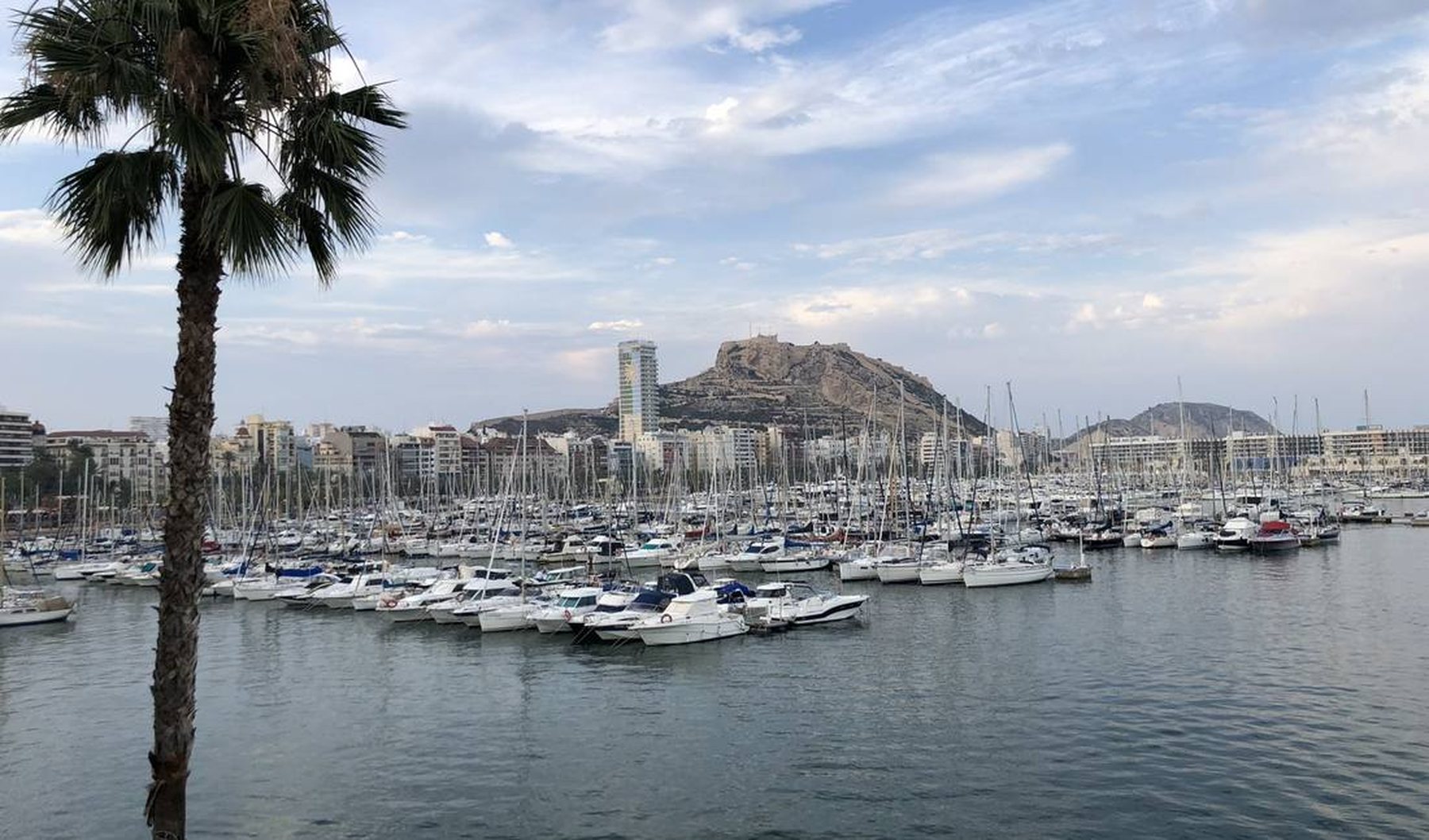
Alicante is compact enough that a single day never feels rushed. In the morning, walk up to Santa Bárbara castle, perched on the rock straight above the centre. From the top you can see the whole city, the harbour and the town beach. On the way down you’ll pass through the Santa Cruz quarter — whitewashed low houses, flowerpots lining the steps, a quiet that disappears two streets further on.
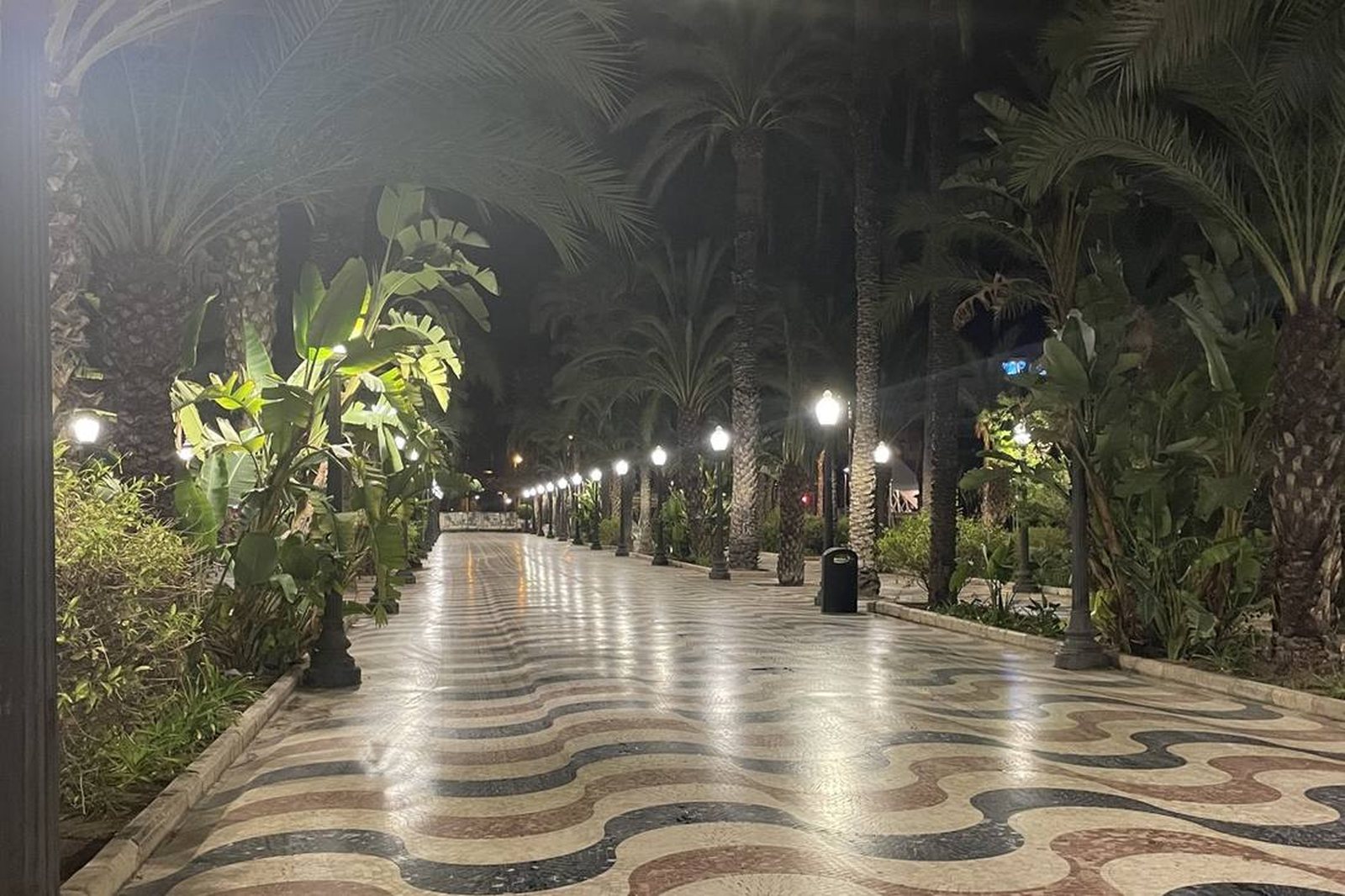
Then it’s just a walk along the Explanada — a seafront promenade paved with six million marble tiles in a wave pattern — and you’re at the sea. No car, no transfers, no planning. That’s the whole logic of this city.
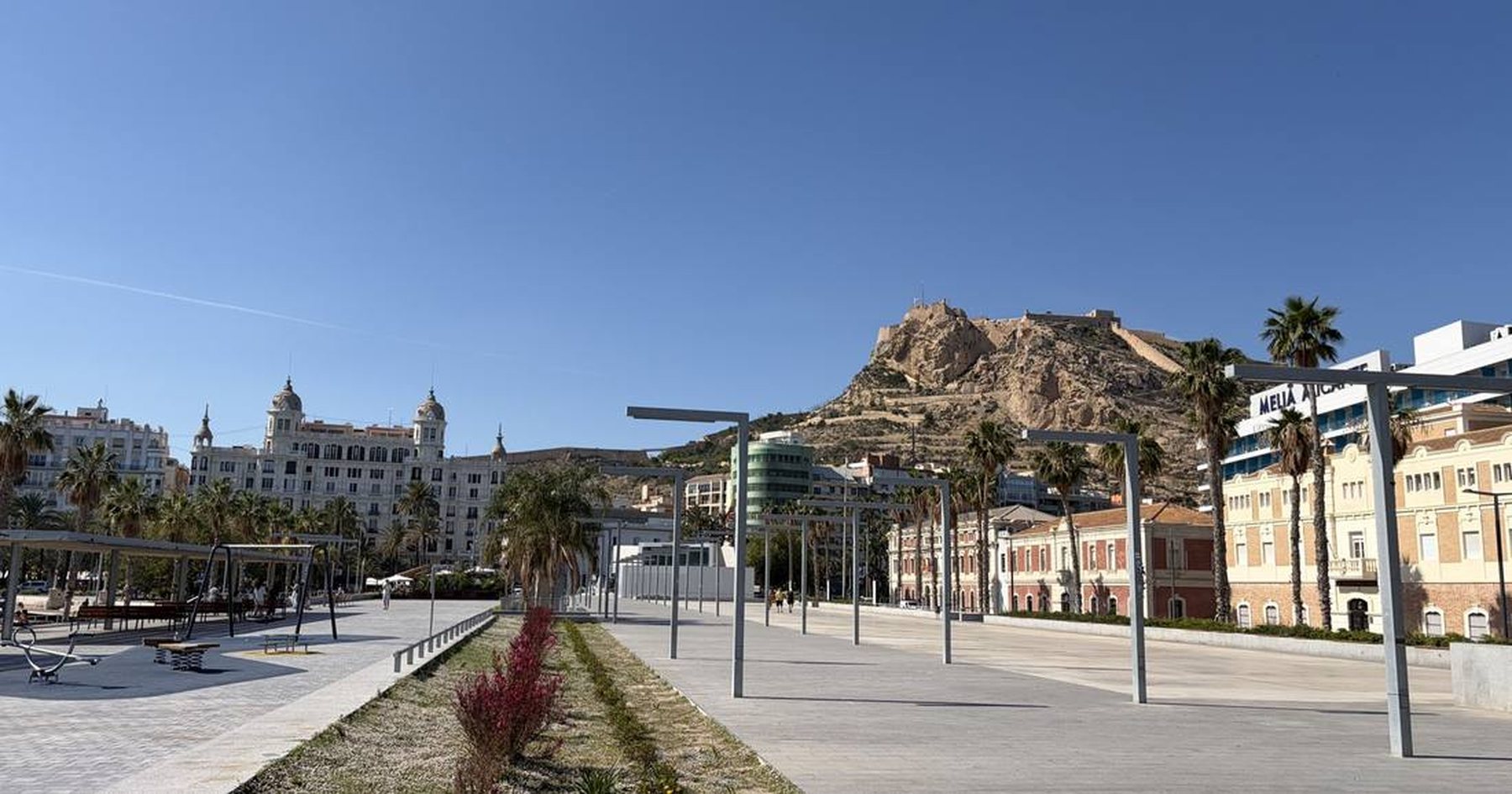
Alicante isn’t a resort that happens to have a city attached. It’s a city that happens to have a beach. You’ll feel that difference on the first evening.
Culture that isn’t here for tourists
The MARQ archaeological museum won the European Museum of the Year award, and it isn’t a collection of glass cases — the exhibits are built as scenes you walk into. The MACA modern art museum sits in the oldest civil building in the city, and entry is free. The Mercado Central isn’t a food-tourism stop; it’s where locals go to buy their fish for lunch.
Time it around the twentieth of June and you’ll catch Hogueras de San Juan — for a week the city fills with huge wood-and-papier-mâché sculptures that get burned at the end. It’s loud, smoky and completely genuine. It isn’t a show staged for visitors; it’s a festival you’ve simply walked into.
Life that carries on in November too
This is something the photos won’t tell you. Alicante has three hundred and thirty thousand residents, a university, offices, people who commute here for work. Come November, half the streets don’t shut down the way they do in seasonal resorts. The cafés stay open, the market is running, and at five in the afternoon the Explanada is just as alive as it is in August — only without the crowds.
For some that’s a small detail. For anyone who’s already lived through a dead resort out of season, it’s the main reason to pick Alicante over the alternatives.
Beaches: where we actually go, not just where the tourists go
Postiguet is the closest and most photographed beach in the city, which is exactly why locals barely set foot on it — in high season it’s packed, and by August you’re hunting for space for a towel. If you have the choice, go elsewhere. And here, you do — even without a car.
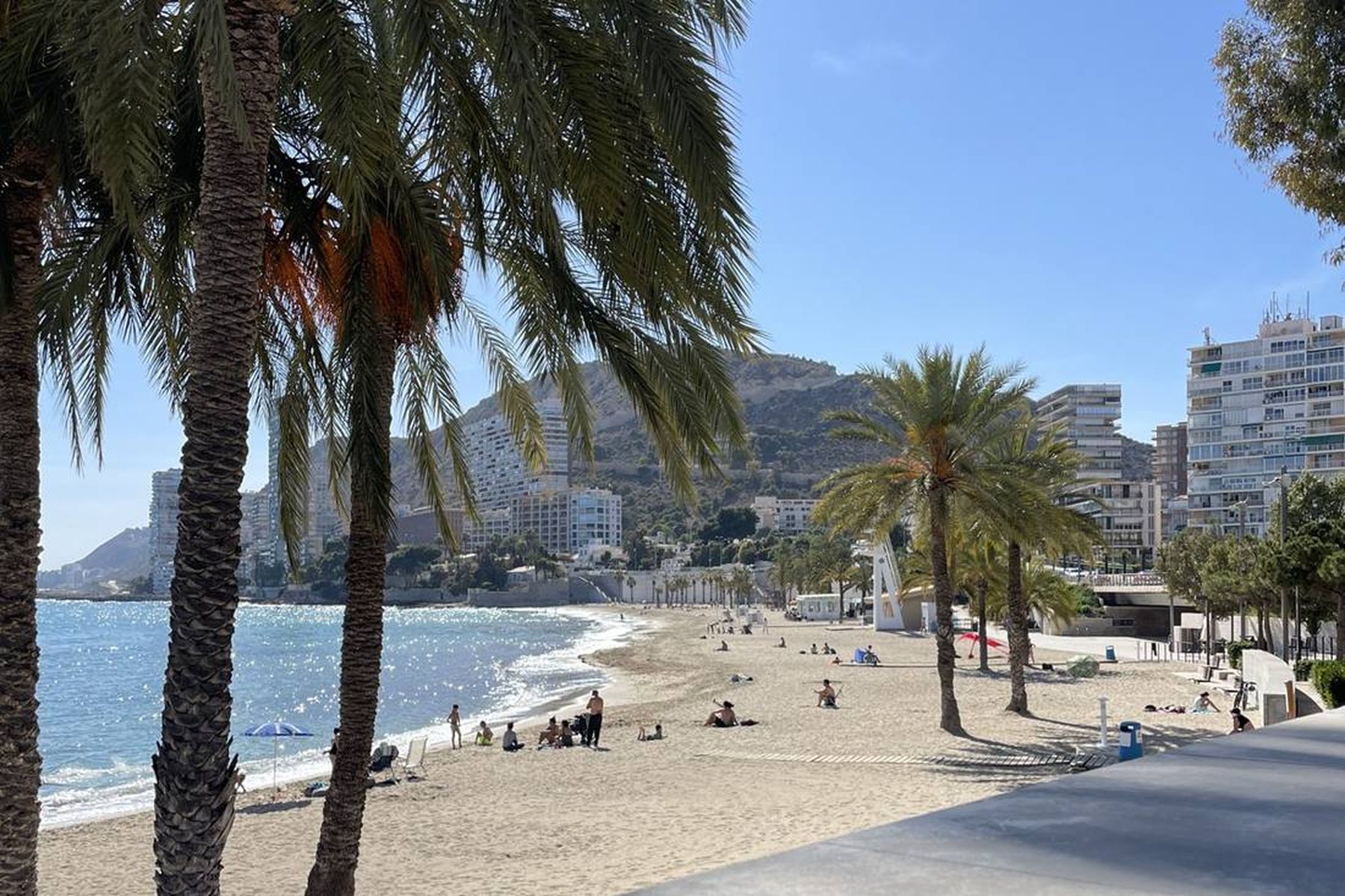
The TRAM gets you to Playa de San Juan in twenty minutes — seven kilometres of wide sand with room to spare even in August. A couple of stops closer in is Albufereta, a smaller bay sheltered from the wind, calmer water, no crowd. That’s the one we keep going back to. We still go out of season, when you get half the beach to yourself.
With a car, more open up: Carabassí south of the city, with dunes and pine trees, or Playa del Paraíso in Villajoyosa. But let’s be straight about it — we wouldn’t rent a car here unless the accommodation has its own parking. Parking in Alicante is expensive and slow, and it costs you more peace of mind than those beaches give back.
And if you want to disappear for a full day, a boat leaves from the harbour for Tabarca — a small island with a marine reserve where you can see the seabed straight from the jetty.
A rhythm worth getting used to
The first couple of days will throw you off. Lunch is at two, dinner at nine, and in between the city goes quiet for a while. Fight it, and it’ll feel like you’re missing something. Give in to it, and you’ll find that’s exactly the point — the day has two starts, and the second one, the evening one, is slower and better than anything you’re used to back home.
That, incidentally, is what you’ll carry home from Alicante before any photo does. Not a list of places visited, but a different pace.
And what Alicante isn’t
It isn’t a quiet fishing village. It’s a provincial capital with traffic, noise and ordinary daily life — the centre won’t feel remote. It’s not a place for anyone who wants to spend a holiday in one resort and never step outside it, either. And if you’re after wild, empty beaches, those exist on the Costa Blanca too — just further down the coast.
I’m saying this on purpose. Better to know it in advance than find it out once you’re here.
Who Alicante is for
Alicante at a glance
Not sure Alicante is right for you?
We live here. Tell us what you have in mind, and we’ll tell you straight — whether Alicante fits, or somewhere else on the coast suits you better.